

 日本語
日本語
 中文
中文
Wireless Sensor Networks
Microstrain® wireless sensor networks enable simultaneous high-speed sensing and data acquisition from multiple wireless strain gauges, accelerometers, temperature, and millivolt inputs for a variety of applications and industries.
Use our technology to convert wired sensors into dispersed wireless networks with versatile sensor input nodes, including allowing for all-in-one functionality.
Our wireless nodes are a great addition to remote and embedded monitoring systems, removing the need for wire installation and maintenance. MicroStrain nodes are compatible with many sensors and packaging possibilities, empowering businesses configure their preferred network quickly and efficiently.
More infoSelect our WSDA wireless gateways to oversee, operate, and schedule time-aligned sampling of thousands of nodes for each gateway. Many end systems are compatible with our WSDA wireless gateways, including local computers, third party controls, and alert systems.
More infoMicroStrain offers a variety of software options for wireless sensor networks. Options include SensorConnect, MIP Monitor, Node Commander, and SensorCloud. Visit software for full product specifications.
More info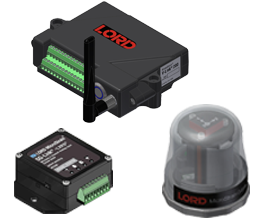
WIRELESS NODES
Low Power. High Performance.
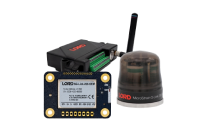
MicroStrain sensor nodes with integrated sensors are an all-in-one solution. Leverage the flexibility of multi-functional sensor inputs nodes to convert LORD MicroStrain and third-party wired sensors into dispersed wireless sensor networks.
Select from many sensing and sampling parameters, including time-synchronized sampling, high-speed periodic burst sampling, low duty cycle sampling, and datalogging.
View NodesCalculate System BandwidthLXRS®
Wireless Simplicity. Hardwired Reliability.
- Lossless Data Throughput
- Extended Range
- Time Synchronized
- Scalable

LXRS+
All the benefits of LXRS® plus
- Faster sampling (up to 16k samples/second)
- Faster downloads
- Lower power
- FREE upgrade for all -200 series products

WIRELESS GATEWAYS
Smart Network Coordination
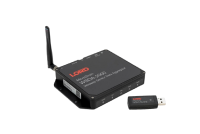
WSDA® wireless gateways coordinate and schedule communication between remote wireless sensor nodes and other user-selectable end systems including third party controllers, stand-alone dataloggers, local computers and networks, and SensorCloud-enabled remote monitoring and alerting systems.
View GatewaysSoftware
Small Sensors. Big Data
Software platforms streamline network configuration by allowing users to easily control sampling settings, data acquisition preferences, and deploy custom alerting, reporting and analytics. Connect with your data and distill actionable information either locally or autonomously on SensorCloud™. Choose from a range of software systems made available by LORD MicroStrain to ensure your wireless sensor network functions at optimal levels.
View Software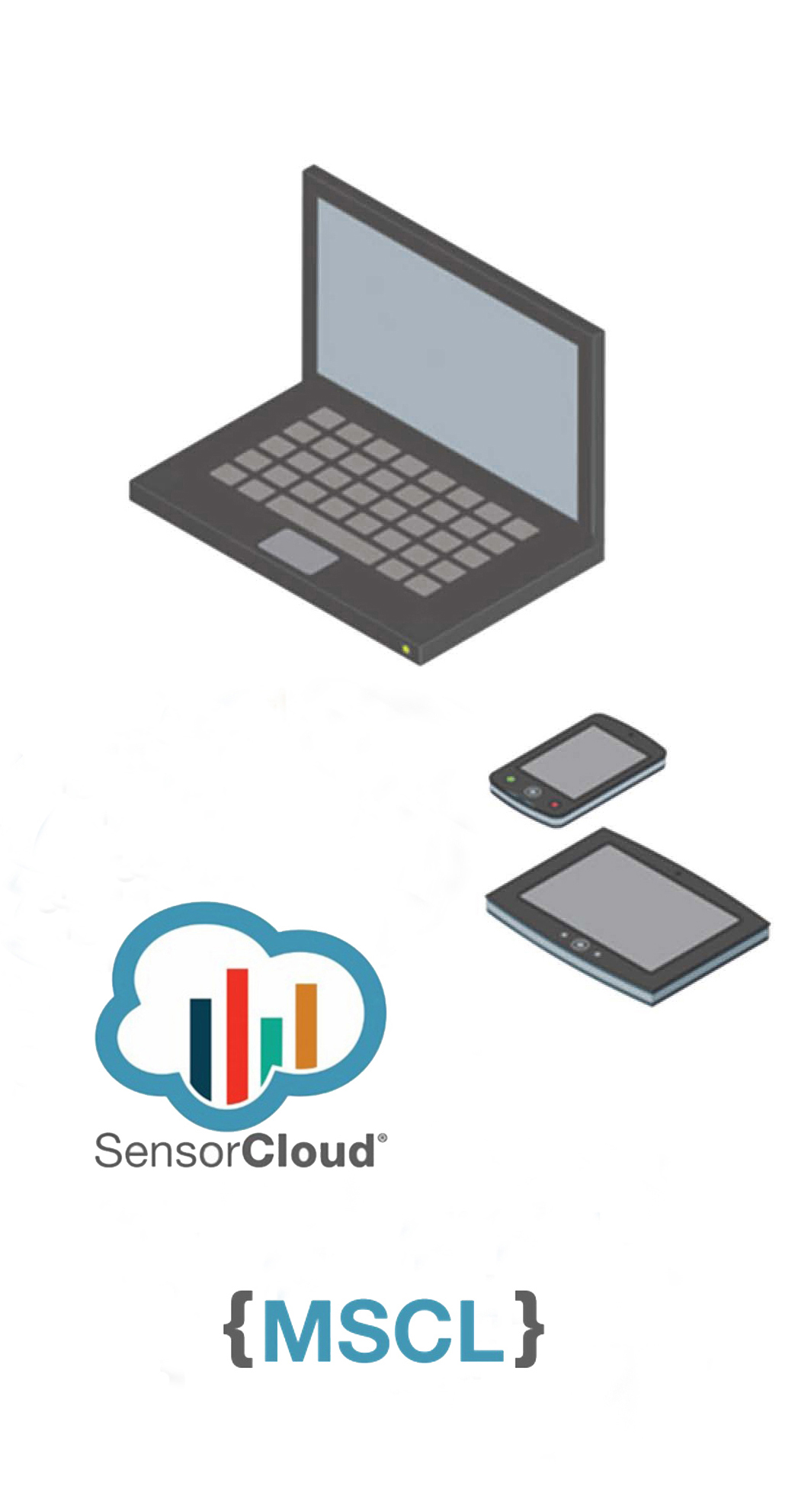
What is a Wireless Sensor Network (WSN)?
WSNs are spatially-distributed autonomous sensors to monitor physical or environmental conditions such as temperature, sound, and pressure, and cooperatively relay the data throughout the network to other locations.